
Painting Plastic Shutters Made Simple and Affordable
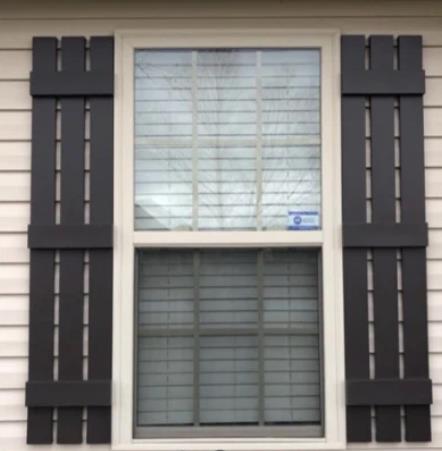
Introduction to Painting Plastic Shutters
Painting plastic shutters is a popular home improvement project for property owners who want to enhance the look of their exterior without investing in full replacements. Over time, vinyl and plastic shutters are exposed to sunlight, moisture, and environmental pollutants that cause fading, oxidation, and loss of shine. Although these shutters remain structurally strong, their worn appearance often makes homes look outdated.
Many homeowners choose painting plastic shutters as a quick and affordable way to restore color. When done properly, painting can temporarily revive faded surfaces and improve overall aesthetics. However, working with plastic materials requires specialized knowledge and careful planning to achieve professional results. Understanding both the benefits and limitations of this process is essential before beginning any project.
This guide is designed to help beginners and homeowners learn how painting plastic shutters can be done effectively, while also introducing Seal It Green’s restoration-focused approach for longer-lasting solutions.
Understanding the Nature of Plastic and Vinyl Shutters
Plastic and vinyl shutters have become increasingly popular due to their durability and resistance to moisture, insects, and decay. Unlike wood, these materials do not rot or warp easily, making them ideal for long-term outdoor use. Modern vinyl shutters are also designed to closely resemble natural wood, providing both beauty and strength.
Despite these advantages, plastic shutters are not immune to environmental damage. Prolonged exposure to sunlight leads to oxidation, which causes surfaces to appear chalky and dull. Weather fluctuations further accelerate fading and discoloration. As a result, many homeowners mistakenly assume that replacement is the only option, even though most shutters remain structurally intact.
Painting plastic shutters is often considered a practical alternative to replacement, but success depends on understanding how these materials interact with paint and coatings.
Why Preparation Is Essential for Painting Plastic Shutters
Surface Cleaning and Conditioning
The foundation of successful painting plastic shutters lies in thorough preparation. Dirt, pollen, grease, and oxidation residue can prevent paint from bonding properly. Without proper cleaning, even high-quality paint may peel or bubble within a short time.
Shutters should be washed carefully using mild cleaning agents and rinsed thoroughly to remove all contaminants. Allowing the surface to dry completely is critical, as trapped moisture can weaken adhesion. In some cases, gentle sanding may be used to slightly roughen the surface, creating a better base for paint.
Protecting Surrounding Areas
For professional-quality results, many experts recommend removing shutters before painting. This allows for easier access and reduces the risk of paint splatter on siding, windows, or brickwork. When removal is not possible, careful masking and protective coverings are essential.
Investing time in preparation not only improves appearance but also extends the lifespan of the finished coating.
Choosing the Right Products for Plastic Surfaces
Selecting Suitable Paint
Not all paints are designed for plastic materials. Standard exterior paints may fail to adhere properly or may crack as the surface expands and contracts. Some pigments absorb excessive heat, which can permanently damage vinyl shutters.
Specially formulated coatings and vinyl shutter paint are designed to bond with plastic surfaces and maintain flexibility under changing temperatures. Using these products improves durability and reduces the risk of premature failure.
Importance of Primers
Primers play a vital role in painting plastic shutters. A high-quality primer formulated for vinyl or plastic creates a stable base and improves paint adhesion. Skipping this step often leads to uneven coverage and peeling.
Applying primer evenly and allowing adequate drying time ensures that the final coat performs as intended and delivers a smooth, professional finish.
Application Techniques for Long-Lasting Results
Proper Use of Tools
The choice of tools influences both appearance and durability. Spray equipment often produces the smoothest finish, especially for shutters with grooves and decorative patterns. Brushes and rollers can also be effective when used carefully and with compatible paint.
Consistency in application is key. Applying thin, even layers minimizes drips and promotes uniform coverage.
Layering and Drying Process
Successful painting plastic shutters requires patience. Multiple light coats provide better adhesion and durability than one thick layer. Each coat should be allowed to dry completely before the next is applied.
Following manufacturer guidelines for drying times helps prevent smudging, bubbling, and trapped moisture, all of which can compromise long-term performance.
Challenges Associated with Painting Plastic Shutters
Fading and Maintenance
One of the main drawbacks of painting plastic shutters is fading. Even high-quality coatings may lose vibrancy after prolonged sun exposure. This means homeowners often need to repaint periodically to maintain appearance.
Repeated repainting can also affect surface texture and design details, gradually diminishing the original look of the shutters.
Peeling and Cracking
Plastic expands and contracts with temperature changes. If paint lacks flexibility, it may crack or peel over time. This problem can occur even when professional techniques are used, making maintenance unavoidable.
Time and Cost Considerations
Painting involves cleaning, priming, coating, drying, and reinstalling, which requires significant time and effort. When professional services are used, labor costs further increase. Over time, repeated repainting can become more expensive than alternative solutions.
Restoration as a Smarter Alternative with Seal It Green
Why Restoration Outperforms Painting
While painting plastic shutters can improve appearance temporarily, restoration products offer a longer-lasting solution. Seal It Green specializes in eco-friendly restoration systems that revive faded shutters without peeling or cracking.

Products such as Shutter Renu penetrate the surface and restore original color rather than forming a surface layer like paint. This approach creates a uniform, durable finish that resists fading and requires minimal maintenance.
Environmental and Economic Benefits
Most discarded plastic shutters are structurally sound. Restoring them instead of replacing or repainting reduces landfill waste and conserves resources. Seal It Green’s solutions support sustainable home improvement by extending the life of existing materials.
From a financial perspective, restoration reduces the need for frequent repainting, saving homeowners both time and long-term expenses.
When Painting Plastic Shutters Is Still a Viable Option
Despite its limitations, painting plastic shutters may still be suitable for homeowners seeking custom colors or dramatic design changes. In such cases, careful preparation, quality materials, and professional techniques are essential.
Using appropriate vinyl shutter paint and following best practices can improve results. However, it is important to recognize that painted finishes generally require more frequent upkeep than restored surfaces.
Maintenance Tips for Painted Shutters
After completing a painting plastic shutters project, regular maintenance helps preserve appearance. Gentle cleaning with mild soap removes dust and pollutants that may degrade paint.
Avoid harsh chemicals and abrasive tools, as these can wear down coatings. Periodic inspections allow small issues to be addressed before they become costly repairs.
With proper care, painted shutters can remain attractive for several years, although eventual touch-ups are often necessary.
Final Thoughts on Painting Plastic Shutters
Painting plastic shutters can be a practical way to refresh your home’s exterior when done with proper planning and high-quality materials. From surface preparation to paint selection and application, every step plays a role in determining success.
However, homeowners should also consider long-term solutions offered by Seal It Green. Restoration products often provide superior durability, lower maintenance requirements, and better overall value compared to traditional painting.
By understanding the advantages and limitations of painting plastic shutters, you can make informed decisions that protect your investment and enhance your home’s appearance for years to come. Whether you choose painting or restoration, prioritizing quality and sustainability will always lead to better results.