
Engineering Solutions for Better Gxp compliance
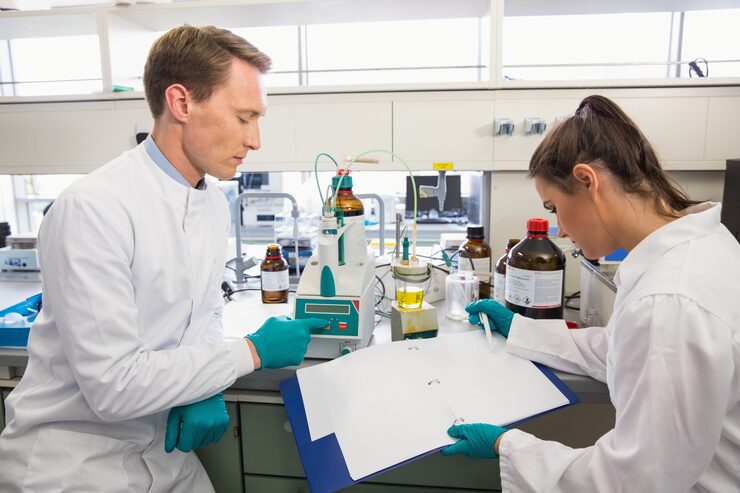
The biotech and medical device industries require flawless engineering to produce safe, life-changing innovations. Every piece of equipment, facility design, and operational process must be carefully planned and executed. Errors in engineering can lead to significant product failures, which is why adherence to strict global standards is absolutely non-negotiable.
To avoid costly setbacks, life science organizations frequently rely on professional services for validation and quality assurance. Implementing strong Regulatory compliance measures early in the project lifecycle prevents issues during the clinical and commercial phases. Consulting experts help tailor engineering solutions that align perfectly with complex regulatory frameworks.
A major part of ensuring safe manufacturing is strictly adhering to specific CFRs that govern the industry. These regulations provide the blueprint for acceptable practices in pharmaceuticals and biotech. By integrating these rules into daily operations, companies ensure that their engineered systems function safely and pass official inspections without trouble.
Quality Assurance in Regulatory compliance Projects
Quality assurance is the safety net that catches errors before they reach the consumer market. It involves continuous monitoring of systems, processes, and facilities to ensure they meet global regulatory standards. In the life sciences sector, QA teams work tirelessly to verify that every production step is fully documented.
How Gxp compliance Drives Biotech Innovation
Innovation in the biotech sector relies heavily on structured processes that guarantee consistent product quality. Without a solid framework, developing new biological treatments would be chaotic and unsafe. Strict Gxp compliance provides the necessary structure, allowing scientists and engineers to push boundaries while maintaining the highest levels of safety and efficacy.
Project Management for Regulatory compliance Teams
Managing a regulatory project requires a unique blend of technical knowledge and organizational skills. Project managers must coordinate between engineering, QA, and validation teams to keep timelines on track. Effective management of Regulatory compliance initiatives ensures that budgets are respected and that products reach the market without unnecessary regulatory delays.
Validation Support for Gxp compliance
Validation support is essential for proving that systems and processes do what they are designed to do. This involves rigorous testing, data collection, and extensive documentation to satisfy global authorities. Comprehensive validation is a critical component of Gxp compliance, ensuring that medical devices and pharmaceutical products are consistently safe for patient use.
Commissioning Facilities for Gxp compliance
Before a manufacturing facility can begin production, it must go through a detailed commissioning process. This ensures that the building, utilities, and equipment are installed correctly and function properly. Thorough commissioning is the first step toward creating an environment where high-quality pharmaceutical and biotech products can be safely manufactured.
Engineering Best Practices for Regulatory compliance
Applying engineering best practices is vital for designing facilities that meet modern manufacturing demands. Engineers must consider airflow, water purity, and equipment calibration to create sterile environments. These technical details directly impact a company’s ability to maintain Regulatory compliance and produce safe, effective medical devices for the global healthcare market.
Navigating CFRs for Gxp compliance
Understanding the specific CFRs related to life sciences is critical for any engineering or consulting firm. These codes outline the specific legal requirements for manufacturing, testing, and distributing medical products. Navigating these rules successfully ensures that companies achieve robust Gxp compliance, minimizing the risk of audit failures or legal penalties.
The Future of Regulatory compliance
As technology advances, the landscape of global regulations continues to evolve and become more complex. Companies must stay updated on new requirements regarding data integrity, automation, and advanced manufacturing techniques. Preparing for the future of Regulatory compliance helps biotech firms remain agile, competitive, and fully prepared for upcoming industry shifts.
Conclusion
To thrive in the competitive life sciences sector, companies must seamlessly integrate engineering, project management, and quality assurance. Ensuring that systems and facilities meet global standards requires dedicated effort and expert validation support. From the early clinical phases to full commercial rollout, maintaining a high standard of quality is the key to lasting success.
By focusing on meticulous facility commissioning and robust operational procedures, organizations can achieve their critical production goals. Securing complete Gxp compliance guarantees that all processes adhere to necessary CFRs and global regulations. This commitment not only streamlines manufacturing but ultimately ensures that patients receive safe, effective, and reliable medical treatments.