
Why Small Batch Canning and Bottling Is Key to Beverage Innovation
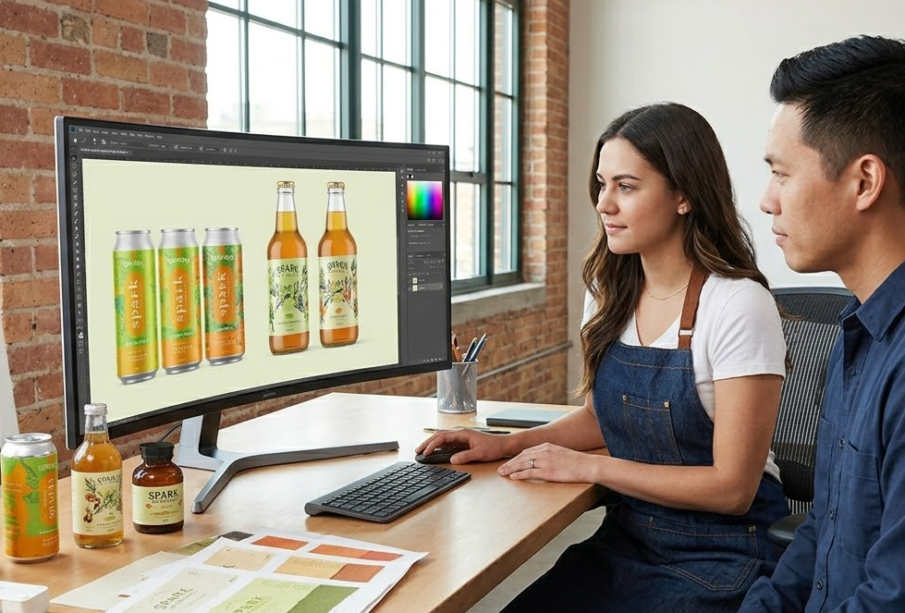
The beverage industry is evolving quickly as consumers look for drinks that offer better taste, healthier ingredients, and memorable brand experiences. For beverage startups and established brands alike, creating a successful drink involves more than mixing ingredients. It requires testing, product refinement, and strategic production planning. One approach that has become increasingly valuable in this process is Small Batch Canning and Bottling.
Small batch production allows beverage creators to develop new drink concepts while minimizing risk. By producing beverages in smaller quantities, brands can experiment with flavors, adjust formulations, and test packaging before moving to full-scale manufacturing. Beverage development companies such as Gulp Studios specialize in guiding brands through this process by supporting drinks development, branding strategies, and production planning. Their expertise helps businesses transform creative drink ideas into finished products ready for retail shelves.
Understanding the Beverage Product Development Journey
Every beverage product begins with a concept. This concept might come from a unique flavor idea, a functional health benefit, or a desire to create a new type of drink experience. However, turning that concept into a market-ready beverage requires careful planning and structured development.
The first step in beverage development is defining the purpose of the product and identifying the target audience. Brands must understand who their customers are and what type of beverage they are looking for. Once this information is clear, developers can begin exploring ingredient combinations and flavor profiles that match the product’s goals.
Testing and refinement play an important role during this stage. Beverage developers evaluate taste, sweetness levels, ingredient compatibility, and shelf stability to ensure the drink performs well during storage and distribution.
Benefits of Small Batch Beverage Production
Small batch beverage production provides several important advantages during the development phase. One of the main benefits is flexibility. Because the production volume is smaller, brands can easily modify ingredients, adjust flavors, or test different packaging formats without large financial commitments.
Another advantage is improved quality control. Smaller production runs allow developers to closely monitor every stage of the process, ensuring the beverage maintains consistent flavor and quality. This attention to detail is especially important when developing new products that require experimentation and refinement.
Small batch production also accelerates innovation. Beverage creators can quickly produce test batches, evaluate results, and make improvements. This faster development cycle allows companies to bring new beverages to market more efficiently.
The Role of Beverage Experts in Product Development
Creating a beverage product involves multiple technical and creative processes. Many beverage brands partner with development specialists who provide guidance throughout the entire journey from concept to production.
These experts assist with ingredient sourcing, flavor formulation, product testing, and regulatory compliance. They also provide insights into packaging design, branding strategies, and manufacturing methods. By working with experienced professionals, beverage brands can reduce development risks and improve the quality of their final product.
Professional beverage development partners also help companies understand market trends and consumer preferences, which can influence product design and branding decisions.
Turning Beverage Concepts into Working Prototypes
Before a beverage enters large-scale production, developers must refine the product through testing and experimentation. At this stage, teams focus on Drink prototype development to create and evaluate different versions of the beverage.
Prototypes allow developers to test flavor variations, ingredient ratios, carbonation levels, and packaging options. This process helps determine which version of the drink delivers the best overall experience for consumers. Prototype testing also helps identify potential issues related to shelf life or production processes.
By analyzing multiple prototypes, brands can confidently select the formulation that best represents their vision before moving forward with production.

Preparing for Beverage Manufacturing
Once the final beverage formula has been selected, the next stage involves preparing for manufacturing. Production planning includes confirming ingredient availability, selecting packaging materials, and establishing manufacturing procedures that ensure consistent quality.
Even during this stage, small batch production may continue to ensure that the beverage performs well during the production process. This additional testing helps developers verify that the drink maintains its flavor, stability, and packaging compatibility.
After the product meets all production requirements, the beverage can move toward distribution and retail launch.
Building a Memorable Beverage Brand
In today’s competitive beverage market, strong branding is essential for success. Consumers often choose drinks based on visual presentation, brand personality, and perceived value. A compelling brand identity helps communicate what makes the beverage unique.
Effective beverage branding includes eye-catching packaging design, clear product messaging, and a consistent brand story. When these elements work together, they create a recognizable identity that attracts customers and encourages repeat purchases.
Brands that combine innovative beverage development with strong storytelling are more likely to stand out in crowded markets and build loyal audiences.
Conclusion
Innovation and experimentation are essential components of modern beverage development. Brands that want to introduce successful drinks must carefully test their products, refine their formulations, and create strong branding strategies before launching in the market. Small batch canning and bottling provides an effective solution for beverage creators who want to experiment with new ideas while maintaining control over quality and production costs.
By combining small batch production with professional beverage development expertise, brands can transform creative drink concepts into successful commercial products. With the right development process and a strong brand identity, beverage companies can confidently move from concept to shelf and achieve long-term success in the competitive beverage industry.
FAQ
What is small batch canning and bottling?
Small batch canning and bottling is a production method that allows beverage companies to produce limited quantities of drinks for testing and refinement before moving to large-scale manufacturing.
Why is prototype development important for beverages?
Prototype development helps beverage creators test different formulations and identify the version that delivers the best taste, stability, and overall consumer experience.
How do beverage development companies support new drink brands?
Beverage development companies provide expertise in formulation, packaging design, branding, and production planning, helping brands transform drink ideas into market-ready products.