What Materials Are Commonly Used for a Chef Coat?
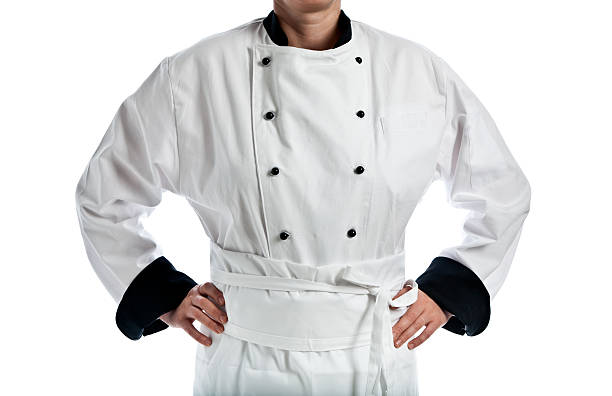
In the culinary world, professional appearance and functionality go hand in hand. A chef’s uniform is not just about style but also about safety, comfort, and durability during long hours in a hot kitchen. Among all uniform pieces, the chef coat plays the most important role. It protects chefs from heat, splashes, and stains while maintaining a clean and professional look.
Modern kitchens demand clothing that performs well under pressure. From breathable fabrics to durable materials, manufacturers design chef coats with specific features that support chefs during their daily routines. Understanding the materials used in a chef coat can help restaurant owners, culinary students, and professional chefs choose the best option for their needs.
This article explains the most common materials used in chef coats, why they are chosen, and how they impact comfort and performance in the kitchen.
Why Material Choice Matters in a Chef Coat
A chef coat is worn for many hours in a high temperature environment. Because of this, the fabric must be strong, breathable, and easy to clean. The right material can improve comfort and even increase productivity.
For example, chefs working near grills or ovens need fabrics that resist heat and absorb sweat. Meanwhile, pastry chefs may prefer lighter fabrics that allow easier movement during detailed work.
The best chef coats balance three key qualities.
- Durability to withstand frequent washing and heavy kitchen use.
Restaurants also benefit from high quality materials because uniforms last longer and maintain a polished appearance.
Common Materials Used for a Chef Coat
Cotton Fabric
Cotton is one of the most widely used materials for chef coats. It is soft, breathable, and comfortable for long shifts.
Cotton absorbs moisture well, which helps chefs stay cool in hot kitchens. It also handles high temperature washing, making it easy to remove stains and bacteria.
For example, many culinary schools recommend cotton chef coats for students because they are comfortable and affordable.
However, pure cotton can wrinkle easily and may shrink if not washed properly.
Polyester Fabric
Polyester is a synthetic material known for durability and stain resistance. Many modern chef coats use polyester because it is lightweight and holds its shape well after repeated washing.
Restaurants often choose polyester coats for large kitchen teams because they require less maintenance than cotton uniforms.
For instance, fast paced restaurants that wash uniforms daily benefit from polyester since it dries quickly and resists wrinkles.
Cotton Polyester Blends
A cotton polyester blend combines the strengths of both fabrics. These chef coats provide comfort from cotton and durability from polyester.
Many professional kitchens prefer blended fabrics because they offer better airflow while remaining strong enough for daily wear.
For example, a 65 percent polyester and 35 percent cotton blend is commonly used in restaurant uniforms because it balances breathability and long term durability.
Denim and Heavyweight Fabrics
Some modern kitchens use denim or thicker fabrics for chef coats. These materials are popular in trendy restaurants and open kitchens where style is important.
Denim chef coats provide a unique visual appeal while still offering durability. They are especially common in contemporary restaurants where chefs interact with guests.
However, heavier fabrics may feel warm during long shifts near heat sources.
Chef Coat Fabric Innovations
Kitchen uniforms continue to evolve as fabric technology improves. Many manufacturers now design chef coats with advanced features that increase comfort and safety.
One example is moisture wicking fabric. These materials pull sweat away from the body, helping chefs stay cooler during busy service hours.
Another innovation is mesh ventilation panels. These panels are often placed under the arms or along the back of the coat to increase airflow.
Pro Tip: When selecting a chef coat, check for breathable panels and lightweight fabric blends. These small features can make a big difference during long kitchen shifts.
Some brands also incorporate stretch fabrics to improve mobility, which helps chefs move quickly between cooking stations.
How to Choose the Right Chef Coat Material
Choosing the right chef coat material depends on the type of kitchen environment and personal comfort preferences.
A few factors to consider include heat levels in the kitchen, frequency of washing, and overall uniform style.
- Breathability is important for chefs working near grills, fryers, and ovens.
For example, chefs in high temperature kitchens often prefer cotton or cotton blend coats, while catering companies may choose polyester for durability and easy maintenance.
Another useful strategy is to test different materials during shorter shifts before committing to a full uniform set.
Conclusion
The material used in a chef coat plays a major role in comfort, durability, and overall performance in the kitchen. Cotton provides breathability, polyester offers strength and stain resistance, and blended fabrics combine the best qualities of both.
Modern chef coats now include innovative features such as ventilation panels, moisture wicking materials, and stretch fabrics that support chefs during demanding shifts. By understanding these materials, chefs and restaurant owners can choose uniforms that improve comfort while maintaining a professional appearance.
Whether working in a fine dining restaurant or a busy catering kitchen, selecting the right chef coat fabric ensures both protection and practicality throughout the workday.