
The Factory Floor Problem Nobody Mentions During Equipment Planning
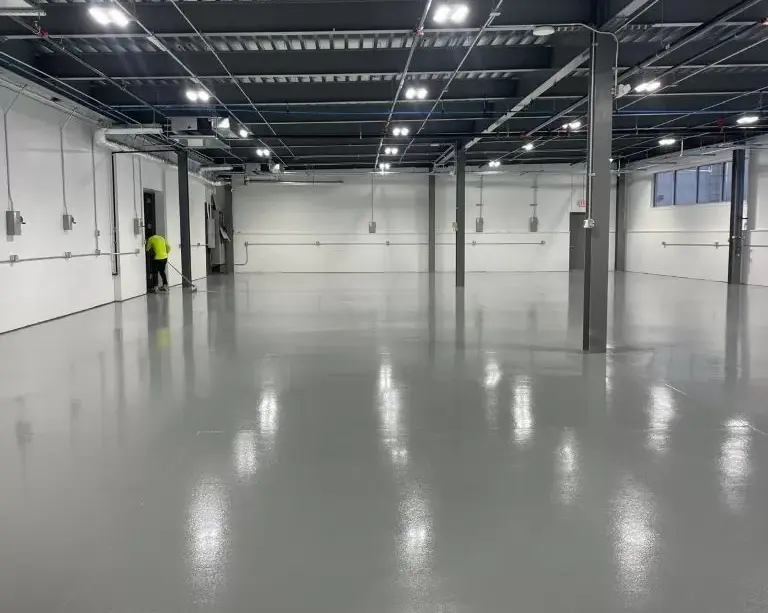
Imagine a small electronics assembly shop. The new machines arrive, the benches are set, and then somebody asks about static. A tiny spark, totally unseen, can damage a sensitive component. Suddenly the floor you ignored is part of the quality plan.
That’s a real concern, and it’s why manufacturing floors aren’t one size fits all. Epoxy Floors NJ notes that manufacturing often needs chemical resistance and a custom texture depending on the department. So let’s walk through what that can look like.
Static Control for Delicate Work
Electrostatic discharge, or ESD, and anti static floors protect electronics manufacturing and pharmaceutical spaces from static risks. If your plant handles sensitive parts, ask about commercial epoxy floor coating that includes ESD protection built in, rather than treating it as an add on later.
Cleanliness Counts Too
Seamless surfaces are easy to clean, and that matters in labs and production areas. The company has applied high performance basecoats in a laboratory space, and a seamless surface leaves very little for dust to settle into. Fewer joints, fewer headaches.
Chemicals, Impact and Heat
Production floors take a beating from spills and dropped parts. Heavy duty epoxy mortar, made with 100% solids epoxy and graded quartz or silica, resists impact, chemicals and thermal shock. That mix is why it shows up in the toughest parts of a plant.
Different departments, different needs. A packing area might want grip. A mixing room might need extra chemical resistance. A good contractor starts with a technical site assessment and then picks the resin system, rather than selling one product to everyone.
Texture by Department
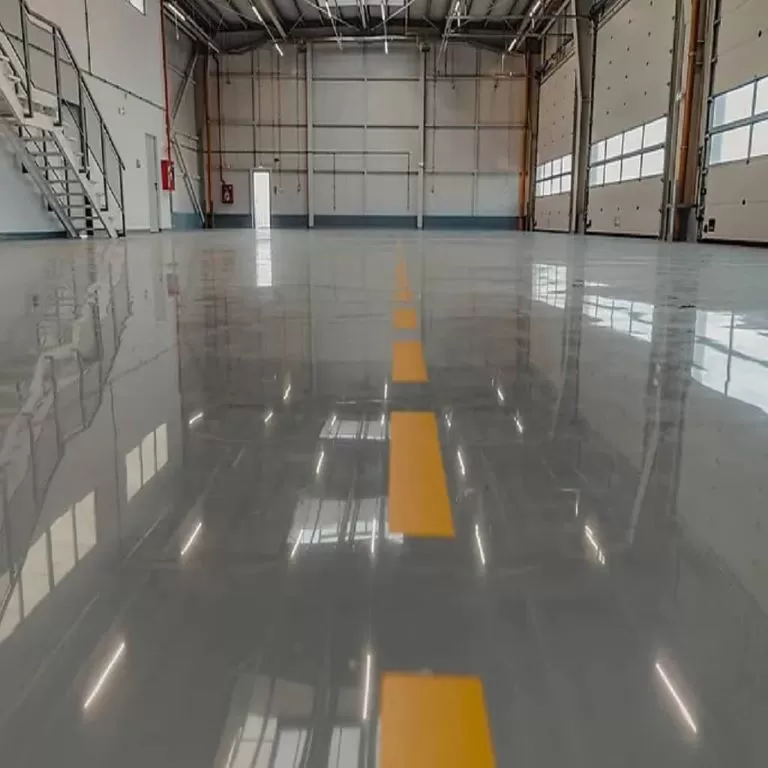
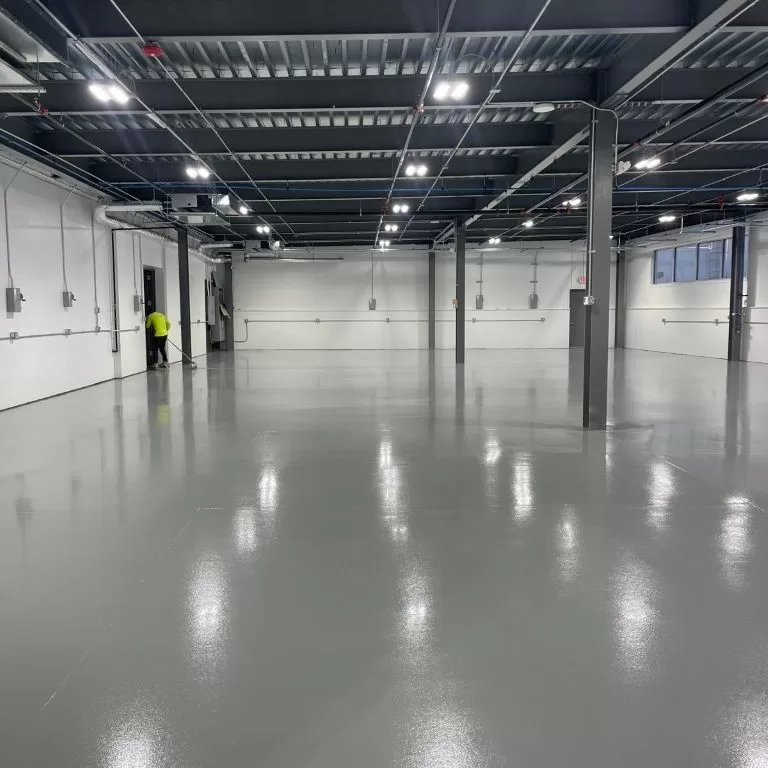
Texture can change from smoother in clean zones to rougher in wet zones. That means one building can have several floor personalities without looking patchy, as long as it’s planned from the start.
Keeping Production Moving
Downtime is expensive. The company uses HEPA vacuum systems and diamond grinding equipment to keep dust under control, and it works within your timeline. Most jobs take 3 to 7 days, so schedule around your shifts, not the other way round, and ask for the plan in writing.
Closing Thoughts
The best manufacturing floor is the one you stop thinking about. It resists the mess, handles static where needed, and stays level. When you’re ready, ask about commercial epoxy flooring for your plant and book a free quote.