Resinous Flooring Systems: A Durable Foundation for Modern Spaces
In demanding environments, flooring is not just a surface you walk on, it is a performance layer that protects your investment, supports safety, and shapes how a space feels. From manufacturing plants to stylish retail showrooms, modern flooring must balance durability with design. Today’s project owners want solutions that last longer, clean faster, and look better. This is where high performance floor technologies step in. Resin based surfaces have evolved into smart architectural elements that enhance workflow, reduce downtime, and elevate the overall appearance of commercial and industrial spaces.
What Are Resinous Flooring Systems?
Resinous flooring systems are seamless, liquid applied surfaces that cure into a hard, durable layer bonded to concrete or other substrates. They are engineered to resist abrasion, chemicals, moisture, and impact while providing a smooth, hygienic finish.
Key Components and Materials
These systems are commonly built using epoxy, polyurethane, or methyl methacrylate resins. Each resin type serves a specific purpose based on environmental exposure and performance needs.
-
Common layers include primer, base coat, broadcast aggregates for texture, and a protective topcoat.
For example, epoxy floors are widely used in warehouses due to their toughness, while polyurethane systems perform well in areas with thermal shock such as commercial kitchens and food processing units.
Where Resinous Flooring Systems Deliver the Most Value
Resinous flooring systems thrive in spaces where traditional tiles or vinyl struggle to keep up. Their seamless nature eliminates grout lines, which often trap dirt and moisture. This makes them ideal for hygiene sensitive environments.
Real World Applications
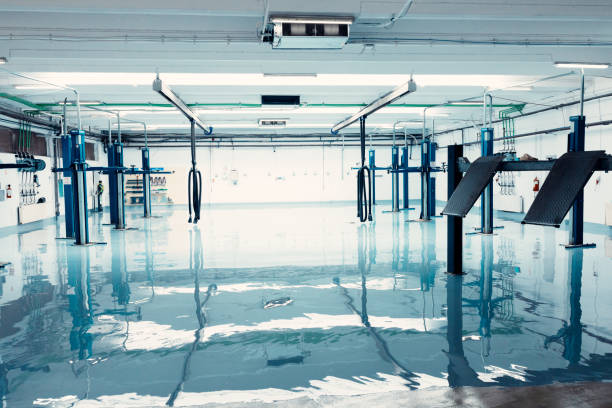
In healthcare facilities, seamless flooring reduces the risk of bacterial growth and simplifies sanitation routines. In automotive workshops, chemical resistant coatings protect the concrete slab from oil spills and corrosive fluids. Retail brands use decorative resin floors to create bold visual statements that align with their identity.
A practical example is a cold storage facility that upgraded from ceramic tiles to resin flooring. The result was fewer cracked surfaces, improved slip resistance, and faster cleaning cycles, which translated into measurable cost savings over time.
Benefits That Go Beyond Durability
The appeal of resin floors is not limited to strength. These systems also offer design flexibility and operational advantages.
Performance and Aesthetics Combined
Resin floors can be customized with colors, patterns, and textured finishes to match branding or safety zoning. Anti slip additives can be integrated without compromising the visual appeal. Maintenance is straightforward since the surface is non porous and does not absorb stains.
Pro tip: When selecting a resin floor, match the system to the actual use case rather than choosing the strongest option by default. A correctly specified system will perform better and cost less over its lifecycle.
Installation, Maintenance, and Longevity
A successful resin floor depends heavily on surface preparation and professional installation. Proper grinding, moisture testing, and priming ensure strong adhesion and prevent premature failure.
What to Expect During Installation
Most resin systems can be installed quickly, with some fast cure options allowing spaces to return to service within hours. However, environmental conditions such as humidity and temperature must be controlled for optimal results. Routine maintenance involves simple cleaning with neutral detergents and periodic inspections to catch minor wear early.
Over time, topcoats can be refreshed without removing the entire system, extending the floor’s life and preserving its appearance. This makes resin flooring a sustainable option for facilities looking to minimize material waste.
Conclusion
Resinous flooring systems offer a smart blend of resilience, hygiene, and design freedom for modern environments. Whether you are managing an industrial plant, upgrading a commercial space, or designing a high traffic public area, these systems provide long term value that goes beyond surface level performance. With proper specification and professional installation, resin floors become a dependable foundation that supports safety, efficiency, and aesthetics for years to come.