How Can Andrew Avi Greenbaum Approach Residential Conversion Opportunities?

Residential conversion has become an important area of consideration for real estate developers looking to identify new uses for existing buildings. Instead of relying exclusively on new construction, developers can evaluate whether certain commercial or underutilized properties can be adapted to provide housing. The process can create opportunities, but it also requires careful planning, financial analysis, and an understanding of local regulations.
Andrew Avi Greenbaum, also known as Avi Greenbaum, leads Triple Double, a real estate development and management platform focused on residential and commercial properties, workforce and affordable housing, and construction innovation. Residential conversion is one of the areas within the platform’s broader real estate focus.
Examining this development strategy provides insight into the decisions that developers must make when considering how an existing building might serve a different purpose.
What Is Residential Conversion in Real Estate?
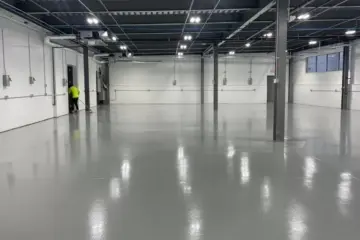
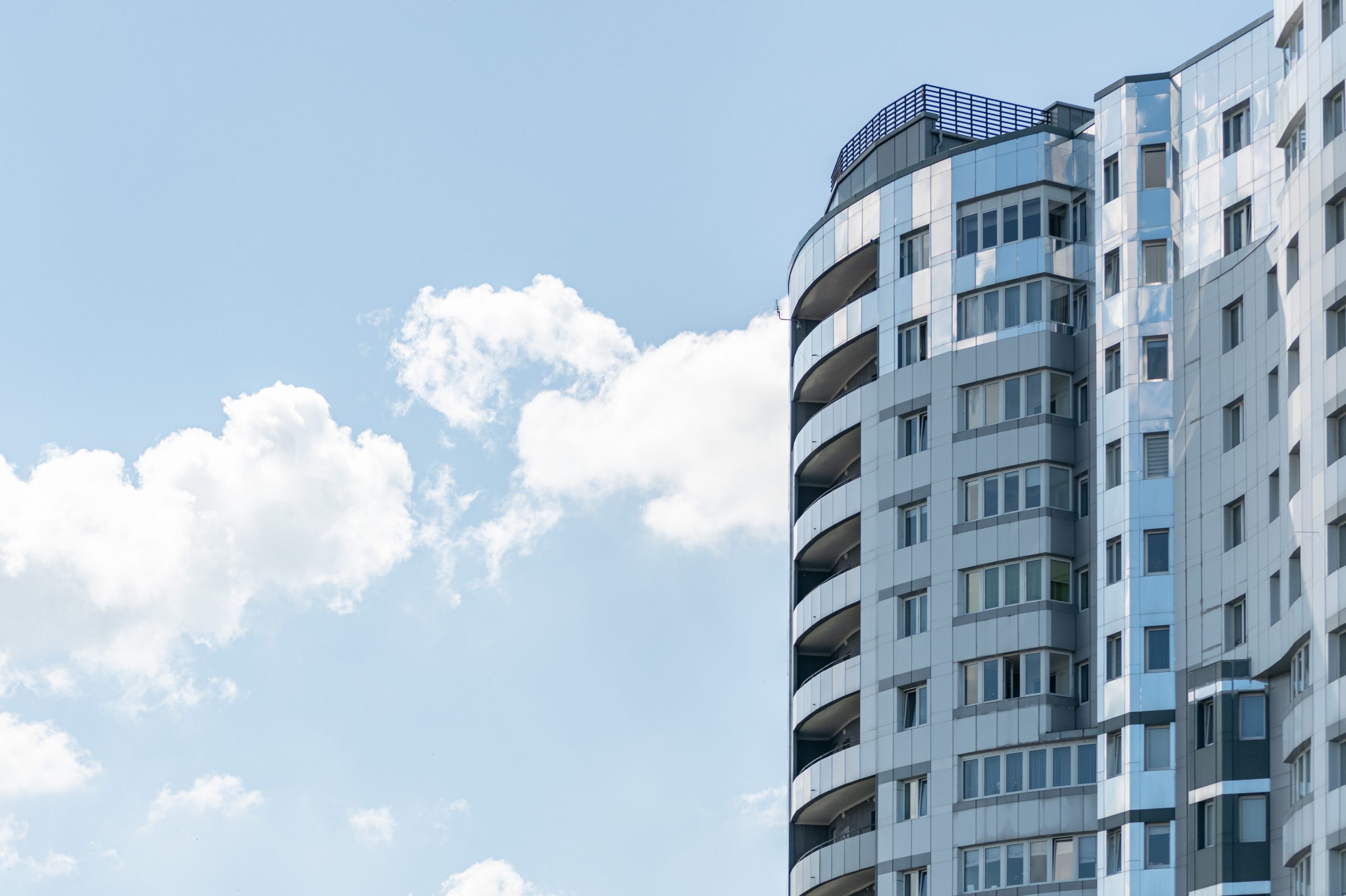
Residential conversion involves changing an existing building’s use or configuration to accommodate residential occupancy. A developer might investigate whether a suitable office building, commercial property, or another underutilized structure can be transformed into apartments or other forms of housing.
The feasibility of a conversion depends on the building itself and the surrounding market. A property may be located in an area with housing demand but still require extensive structural work, new utilities, or significant changes to its internal layout.
Developers must also determine whether local zoning rules permit residential use and whether the proposed design can meet applicable building, fire safety, accessibility, and housing requirements.
For this reason, residential conversion is not simply an interior renovation. It is a development process that combines property assessment, design, regulatory review, financing, construction, and long-term management.
Why Developers Consider Existing Buildings
One reason developers investigate conversion projects is the possibility of using an existing structure rather than constructing an entirely new building.
Depending on the property’s condition, an existing structure may offer useful infrastructure, established access, or a location near employment centers and public services. These characteristics can make a building worth evaluating for residential use.
However, the potential benefits vary considerably between properties. An older building may require substantial upgrades, while its existing floor plan may not be suitable for comfortable residential living.
Developers must compare the total cost of conversion with the cost and feasibility of alternative development options.
Responding to Local Housing Demand
Housing demand is one of the first factors to examine. A conversion project needs a clearly identified group of potential residents and a realistic understanding of what they can afford.
For workforce housing, this analysis may include employment patterns, household incomes, commuting needs, and the availability of rental housing near major job centers.
Developers should also examine competing properties, rental levels, vacancy conditions, and future housing supply. A project that appears attractive because of limited existing inventory may face different conditions by the time construction is completed.
A strong demand assessment helps establish whether a proposed conversion has a credible residential purpose.
Making Use of Existing Property
Underutilized buildings can present opportunities when their location, structure, and acquisition cost support a viable redevelopment plan.
Nevertheless, developers should avoid assuming that every vacant or underperforming commercial property can become housing. Structural limitations, inadequate natural light, plumbing requirements, and restrictions on window placement can complicate the conversion process.
A detailed building assessment is essential before committing to an acquisition or establishing a project budget.
Andrew Avi Greenbaum and Triple Double’s Development Focus
Andrew Avi Greenbaum is the CEO of Triple Double, a platform working across real estate development and management. His reported experience includes the acquisition or development of more than 8,000 residential units and over 12 million square feet of commercial space across more than two decades.
That background spans property categories that can involve different investment and operating considerations.
Residential properties require attention to resident needs, maintenance, leasing, and housing affordability. Commercial properties involve factors such as tenant requirements, building functionality, and the financial performance of leased space.
Residential conversion sits at the intersection of these considerations. A developer evaluating a commercial property for housing must understand both the building’s current use and the requirements of its proposed future use.
Triple Double’s stated focus on residential conversion makes this development strategy relevant to understanding the platform’s broader activities. The viability of any particular conversion, however, depends on the property’s individual characteristics and project-specific analysis.
The Importance of Building Assessments
Before a conversion project moves into detailed design, developers need to understand the condition of the existing property.
A professional assessment should examine structural integrity, mechanical systems, electrical capacity, plumbing, ventilation, and other building components. Depending on the property’s age and history, additional environmental or hazardous-material investigations may also be necessary.
These assessments can reveal costs that are not immediately apparent during an initial property inspection.
For example, a building may appear structurally sound but still require major electrical upgrades or extensive plumbing work to accommodate multiple residential units. Such requirements can affect both the construction schedule and the investment budget.
Early identification of these issues gives developers a better basis for deciding whether to proceed, revise the design, renegotiate the acquisition, or abandon the opportunity.
Navigating Zoning and Building Regulations
Regulatory approval is another major consideration in residential conversion.
A property approved for commercial use may not automatically qualify for residential occupancy. Developers may need zoning changes, special approvals, building permits, or other authorizations before construction can begin.
Residential standards can also differ from commercial requirements. The proposed design may need to address emergency exits, fire protection, accessibility, natural light, ventilation, and minimum room dimensions.
Local rules determine which requirements apply and what approval process is necessary.
Developers should engage qualified architects, engineers, legal professionals, and local authorities early in the planning process. Understanding regulatory constraints before finalizing the investment decision can reduce uncertainty and prevent expensive design changes later.
Creating a Realistic Financial Model
A residential conversion needs a financial model that reflects the entire development process, not only the purchase price and anticipated rental income.
The budget should include acquisition expenses, professional fees, inspections, permits, construction, financing, insurance, and contingency reserves. It should also account for leasing expenses, maintenance, taxes, utilities, and ongoing property management.
Revenue projections should be based on evidence from comparable residential properties and a realistic assessment of local demand.
Developers should also consider how changes in construction costs, interest rates, approval timelines, or rental conditions could affect the project’s performance.
A useful analysis examines several scenarios, including a base case and less favorable outcomes. This approach helps investors understand how much financial flexibility a project may require.
Could Modular Construction Support Residential Development?
Triple Double also operates a concrete panelized modular manufacturing platform focused on workforce housing. Although panelized modular construction and residential conversion are different development approaches, both involve evaluating how construction methods influence project feasibility.
Panelized construction uses building components produced separately before being transported to the site for assembly. Where the design and site conditions are suitable, this approach may offer opportunities for more standardized construction processes.
For conversion projects, however, existing structural conditions can limit the use of standardized components. Developers must determine whether the building can accommodate the proposed system and whether its use offers practical benefits.
Any comparison should consider engineering requirements, transportation, installation, local regulations, and total project costs. Construction methods should be selected according to the specific needs of the development rather than a general assumption that one approach will always be superior.
Working With Capital Partners and Local Authorities
Residential conversion often requires coordination among several stakeholders. Investors provide capital, lenders establish financing conditions, architects and engineers develop the plans, contractors carry out the work, and local authorities oversee applicable approvals.
Municipalities may also have an interest in how redevelopment affects housing supply, land use, neighborhood activity, and public infrastructure.
For workforce housing, communication about intended residents and affordability objectives can help stakeholders understand the project’s purpose. Where public programs or affordability commitments apply, developers must incorporate the relevant conditions into the financial model and operating plan.
Capital partners should review the development timeline, approval status, project budget, financing structure, and potential risks before making commitments.
Clear responsibilities and realistic expectations can support coordination throughout the project.
Measuring Long-Term Success
The success of a residential conversion should not be judged solely by whether construction is completed.
Developers also need to consider occupancy, operating expenses, maintenance requirements, resident satisfaction, and the property’s ability to meet its intended housing objectives.
For workforce housing, affordability and access to employment opportunities may be important alongside financial performance. For investors, sustainable operations and realistic revenue assumptions remain essential.
Long-term planning should include a maintenance strategy, appropriate reserves, and a clear understanding of the responsibilities involved in managing the completed property.
These considerations help connect the initial development decision with the building’s performance over time.
Conclusion
Residential conversion provides developers with a way to evaluate existing properties as potential sources of new housing. Its success depends on the relationship between local demand, building suitability, regulatory requirements, construction expenses, and long-term operating performance.
Andrew Avi Greenbaum and Triple Double operate across several areas of real estate development, including residential conversion, workforce housing, and commercial properties. This broader focus provides context for understanding why developers may consider different approaches to creating and managing real estate assets.
For investors and development partners, the most important step is to assess each opportunity on its own merits. A detailed feasibility study, realistic financial model, and careful review of regulatory and construction requirements can help determine whether a conversion project offers a practical path forward.