
Commercial Lighting Upgrades: What Facilities Gain When They Stop Settling for Less
Walk through a poorly lit warehouse, a dim casino floor, or a tribal government building with flickering overhead fixtures, and the impact is immediately obvious. Poor lighting affects productivity, safety, morale, and energy costs all at once. Upgrading to proper commercial lighting is one of the highest-return infrastructure investments a facility can make, and the technology available today makes those upgrades more financially compelling than ever before.
The Real Cost of Outdated Commercial Lighting
Older lighting technologies are expensive to operate, expensive to maintain, and deliver inferior performance compared to modern alternatives. High-intensity discharge lamps, fluorescent tubes, and aging metal halide systems consume far more energy per lumen than current LED alternatives. They also require more frequent lamp replacements, ballast repairs, and labor-intensive maintenance cycles that accumulate costs year after year.
For tribal casinos, warehouses, and large commercial facilities, the gap between legacy lighting costs and modern LED operating costs is often measured in tens of thousands of dollars annually. That is not a rounding error — it is a meaningful budget line that directly affects the facility’s operating economics. Upgrading to properly specified commercial lighting pays for itself over time through energy savings, reduced maintenance costs, and improved light quality.
Energy Efficiency Numbers That Make the Case
The energy savings from switching to LED commercial lighting are consistent and substantial across different facility types:
- Warehouses and manufacturing facilities typically see 50 to 70 percent reductions in lighting energy consumption
- Casino and hospitality environments gain improved color rendering along with 40 to 60 percent energy savings
- Parking lots and exterior lighting conversions often deliver 60 percent or greater energy reductions
- Tribal government buildings benefit from lower utility costs and reduced maintenance burden
These numbers vary by specific installation and prior technology, but the direction is consistent. Modern commercial LED systems use dramatically less energy while delivering better visual performance across every relevant metric.
Why Switchgear Must Be Part of the Lighting Conversation
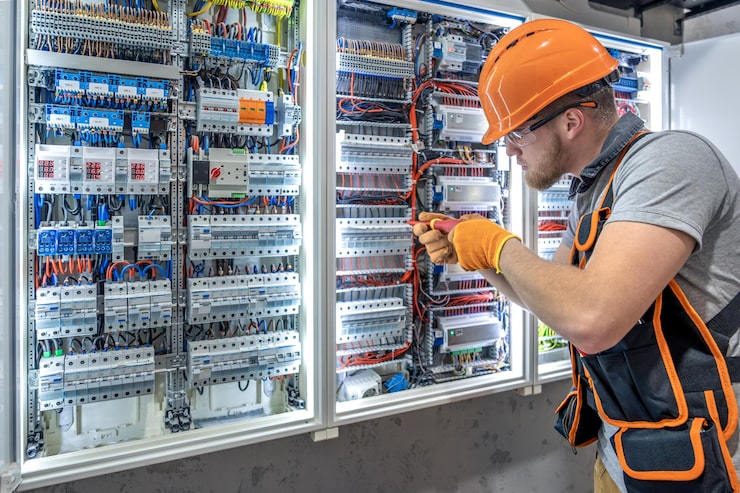
One detail that facility owners frequently overlook during lighting upgrade planning is the state of their existing switchgear and electrical distribution infrastructure. Adding modern LED systems to an aging or undersized electrical distribution system can create problems that undermine the performance of the new lighting. Before committing to a major commercial lighting retrofit, understanding the capacity and condition of the existing switchgear is an important step.
Catawba Power and Lighting addresses this by serving as a one-source partner for both lighting and electrical infrastructure. Rather than working with separate vendors who have no visibility into each other’s scope, clients get a single point of contact who understands how both systems interact. That integration prevents the costly surprises that appear when new lighting demands exceed what the existing electrical infrastructure can safely support.
What Catawba’s 150-Plus Manufacturer Relationships Mean for Clients
Because Catawba Power and Lighting represents more than 150 lighting manufacturers, the company is not limited to promoting a single brand or product line. Instead, the team can match specific fixture types, lumen outputs, color temperatures, and driver configurations to the actual requirements of each installation environment. That flexibility is genuinely valuable in commercial and industrial projects where one-size-fits-all solutions rarely produce optimal results.
Tribal government facilities, casinos, healthcare campuses, manufacturing plants, and commercial developers all have unique lighting requirements. Having access to a comprehensive product portfolio means those requirements can be met with properly specified equipment rather than adapted to whatever a single-brand representative happens to carry.
Working with a Native-Owned Strategic Infrastructure Partner

The procurement advantage that Catawba Power and Lighting provides goes beyond product selection. As a Native American-owned distribution company, Catawba helps clients meet supplier diversity requirements while delivering specification-grade commercial lighting systems from leading manufacturers. For tribal governments and commercial developers operating under diversity procurement mandates, this combination is hard to replicate with a conventional distributor.
The company’s mission centers on delivering reliable power and lighting solutions while strengthening Native economies and supporting long-term infrastructure growth. That purpose shapes how the team engages with clients — not as a transactional vendor, but as a long-term infrastructure partner invested in project success.
Conclusion
Commercial lighting upgrades represent one of the clearest infrastructure investments a facility can make. The combination of energy savings, improved performance, and reduced maintenance makes the financial case compelling, while the improved working and operational environment makes the human case equally strong. Partnering with Catawba Power and Lighting ensures those upgrades are delivered with the right specifications, competitive pricing, and the supplier diversity advantages that matter to the organizations they serve.