Is Limestone Patio Slippery When Wet?

limestone patio
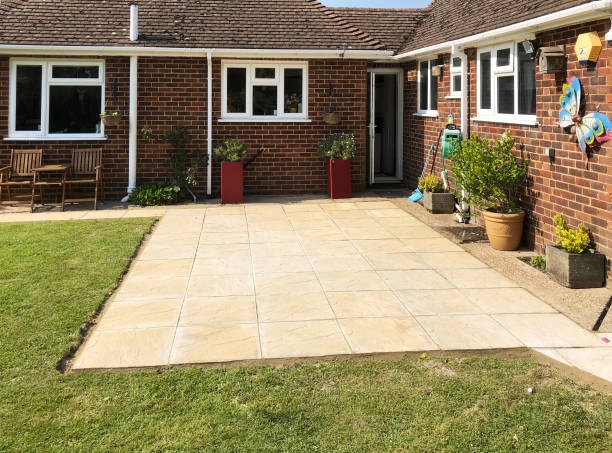
A Limestone Patio can be an attractive addition to an Austin home, offering a natural appearance, subtle texture, and timeless character. However, one common concern among homeowners is whether limestone becomes slippery after rain or when exposed to water. The answer depends on several factors, including the limestone’s surface finish, texture, porosity, installation, and ongoing maintenance. When properly selected and installed, limestone can provide a comfortable and practical outdoor surface.
What Makes Limestone Slippery?
Limestone itself is not automatically slippery when wet. The level of traction largely depends on how the stone has been finished. Highly polished limestone has a smoother surface and may become more slippery when moisture is present. For an outdoor patio, a naturally textured, brushed, tumbled, or otherwise slip-resistant finish is generally a better choice than a highly polished surface.
The texture of the stone gives shoes more opportunities to grip the surface, helping reduce the risk of slipping. This is particularly important in areas where rainwater, pool splashes, irrigation, or outdoor cleaning can leave the patio damp for extended periods.
limestone patio
Does Porosity Affect Patio Safety?
Limestone is naturally porous, which means it can absorb some moisture rather than allowing all water to remain on the surface. While absorption can help the stone dry, the overall performance still depends on the particular limestone selected and how it is installed. Proper drainage is especially important because standing water can create a slick surface regardless of the paving material.
A professionally constructed Limestone Patio should be designed with appropriate grading and drainage so water can move away efficiently. Correct installation can help prevent puddling and improve both safety and the longevity of the patio.
How Can You Improve Traction?
Homeowners can take several steps to improve the traction of limestone outdoors. Choosing a textured finish is one of the most effective decisions. Regular cleaning is also important because dirt, algae, moss, and other organic buildup can make an otherwise suitable patio noticeably more slippery.
Sealing may also be beneficial depending on the limestone and the location. However, not every sealer provides the same performance, and some products can alter the stone’s surface characteristics. A masonry professional can recommend an appropriate treatment based on the patio’s exposure and material.
Why Professional Installation Matters
The quality of installation can make a significant difference in how a patio performs during wet weather. Experienced masonry contractors consider slope, drainage, joint placement, stone selection, and surface characteristics when building an outdoor living area. These details help create a patio that is not only attractive but also functional throughout changing weather conditions.
A & J Masonry serves Austin, TX, with customized masonry solutions for residential properties. From patios and retaining walls to fireplaces, outdoor kitchens, repairs, and distinctive masonry features, the team focuses on durable workmanship and carefully selected materials.
Conclusion
So, is a Limestone Patio slippery when wet? It can be, particularly when smooth or polished limestone is used, but the material does not have to create a significant slipping concern. Selecting a suitable textured finish, providing proper drainage, maintaining the surface, and using professional installation can all improve traction. For Austin homeowners considering limestone for an outdoor space, thoughtful material selection and skilled masonry work can help create a patio that combines natural beauty, durability, and everyday practicality.